
Is V8 Good For You?
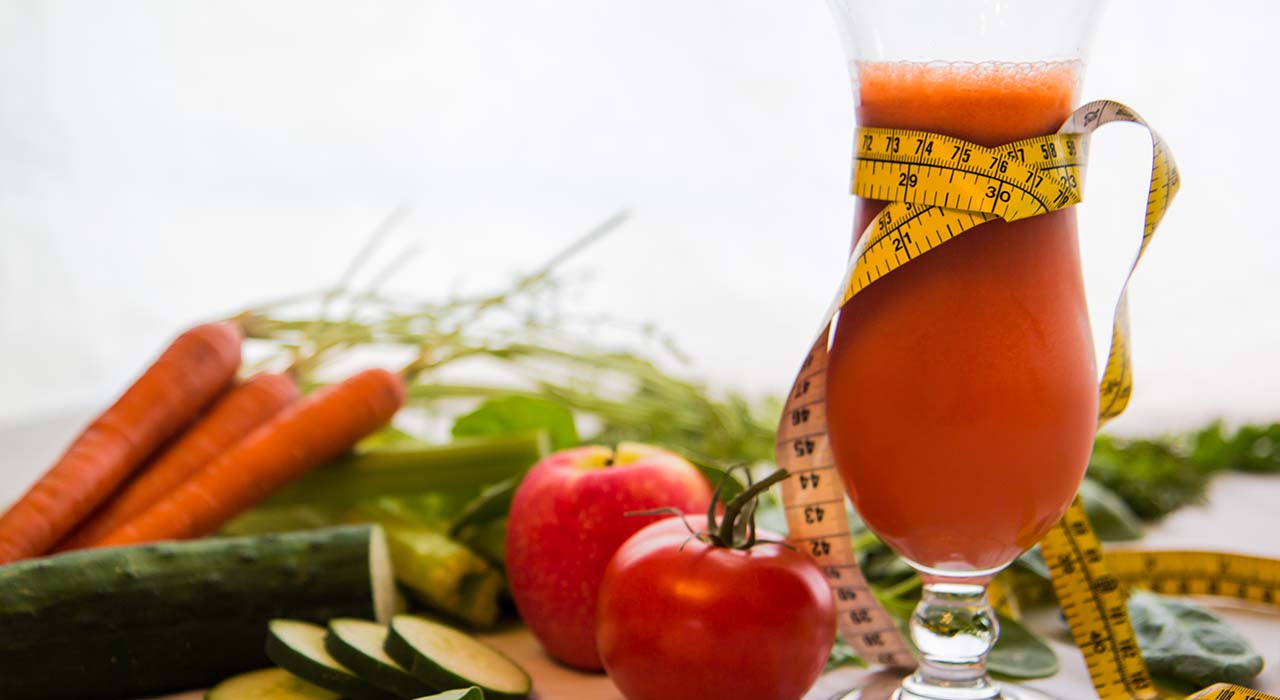
Vegetable juices have become big business these days, and V8 is perhaps the best-known brand of vegetable juice. It’s portable, comes in all sorts of flavors, and is touted as being able to help you meet your daily vegetable quota. You’ve likely heard the brand’s slogan: “Could’ve had a V8,” but the question is, should you?
While it contains nutrients from all sorts of vegetables, V8 should not take the place of eating vegetables. Nutrients are lost and most of the fiber is removed during processing of vegetable juices like V8. They also have added components that are of questionable nutritional value.
Purported Benefits of V8
From soda to fruit-flavored juices, an array of clearly unhealthy drinks is available on the market. V8 is made from vegetables, and contains many of the same nutrients you’d find in whole vegetables. According to the company’s official website, V8 contains the juice of eight vegetables
Due to the types of vegetables used, V8 is considered a source of vitamins A, C, and E. The juice also is considered low in cholesterol and fat. Given this nutritional information, many people seek out the convenience of V8 as an alternative to eating plain vegetables.
All varieties of V8 contain a significant amount of sodium, which can lead to high blood pressure and increased water retention.
The Pitfalls of Vegetable Juice
Drinking V8 certainly isn’t as bad as drinking non-nutritive drinks like soda, but the juice may have some surprising drawbacks. The pureeing process used to juice the vegetables removes a large portion of their fiber content. Fiber, found in vegetables and other foods, is extremely important because it:
Whole raw, as well as cooked, vegetables offer a variety of tastes and textures for your palate. The problem with juicing your veggies is that the process can strip away these natural attributes.
V8 is also reconstituted from concentrate, which means that the water was removed and then added back, so it’s technically not fresh vegetable juice. Also, there is no legal definition of “flavors” which is listed on the label.
Another problem with V8 is its lack of variety in the original juice. It’s important to consume a variety of nutrient-dense vegetables, and to not have the same ones every day. Processed vegetable juices often skip out on other super veggies, such as broccoli and sweet potatoes.
V8’s original formula of vegetable juice contains 481mg of sodium per serving. Even the reduced-sodium version of V8 is problematic, as it still contains 140mg of sodium in an 8oz glass.
Get Your Vegetables the Old-Fashioned Way
It can be easy to fall for the alluring convenience of V8 with increasingly hectic schedules. But despite its purported benefits, vegetable juice simply can’t beat vegetables in their whole form.
That doesn’t mean that vegetables juice is bad for you. As long as your diet allows, you may drink an occasional serving of V8. The key is to avoid relying solely on juice to reach your daily vegetable servings.
Only drink vegetable juice that’s 100 percent juice and low in sodium. Aim to eat three to four different types of vegetables per day in order to reap the most nutritional benefits.
Healthy Foods

Health Claims About Astaxanthin
Fish oil isn't the only thing from the ocean that can improve function in the human body. Astaxanthin is a carotenoid pigment that’s found in trout, microalgae, yeast, and shrimp, among other sea creatures. It is most commonly found in Pacific salmon, and is what gives the fish its pinkish color.As you're probably aware, antioxidants are good for you. Astaxanthin's antioxidant properties provide the main source of the health claims and benefits of the supplement, particularly when used to help treat cancer.
Nutrition

Know Your Teas: Black Tea
Tea is a popular drink all over the world. It’s a mixture of dried tea leaves that, when combined with hot water, create a satisfying beverage at any time of day. Black tea has been a popular beverage for more than 500 years. It’s often stronger in flavor than other teas, such as green tea.Some teas can provide a kick of caffeine, while others have more calming effects. Some have effects that promote a healthy microbiome, making them good for the gut.Tea also contains flavonoids, which have antioxidant potential. Antioxidants can help keep your cells in good health, and they can also lower the risk of coronary heart disease and even some cancers. Green tea and black tea are prepared differently, which accounts for their differences. Green tea is made when tea leaves are dried.Green tea and black tea are prepared differently.

Health Benefits of Greek Yogurt
Greek, or strained, yogurt isn’t just a fad. This dairy product, which is different from regular, sweeter yogurt, has quadrupled in production from 2008 to 2013. Greek yogurt makers add an extra step to their process so that excess water, lactose, and minerals drain out.What’s left is a creamy, rich yogurt with less sugar, more carbs, and a tart taste. The acidity also makes it easier for your body to absorb other nutrients.Plain Greek yogurt is a nutrient-packed snack that has many health benefits. Read on to discover the benefits of adding Greek yogurt to your diet.A cup of plain Greek yogurt can help you meet the recommended.
© 2017 betterhealthfood.rest. All Rights Reserved