
Brown Seaweed Good
What is brown seaweed?
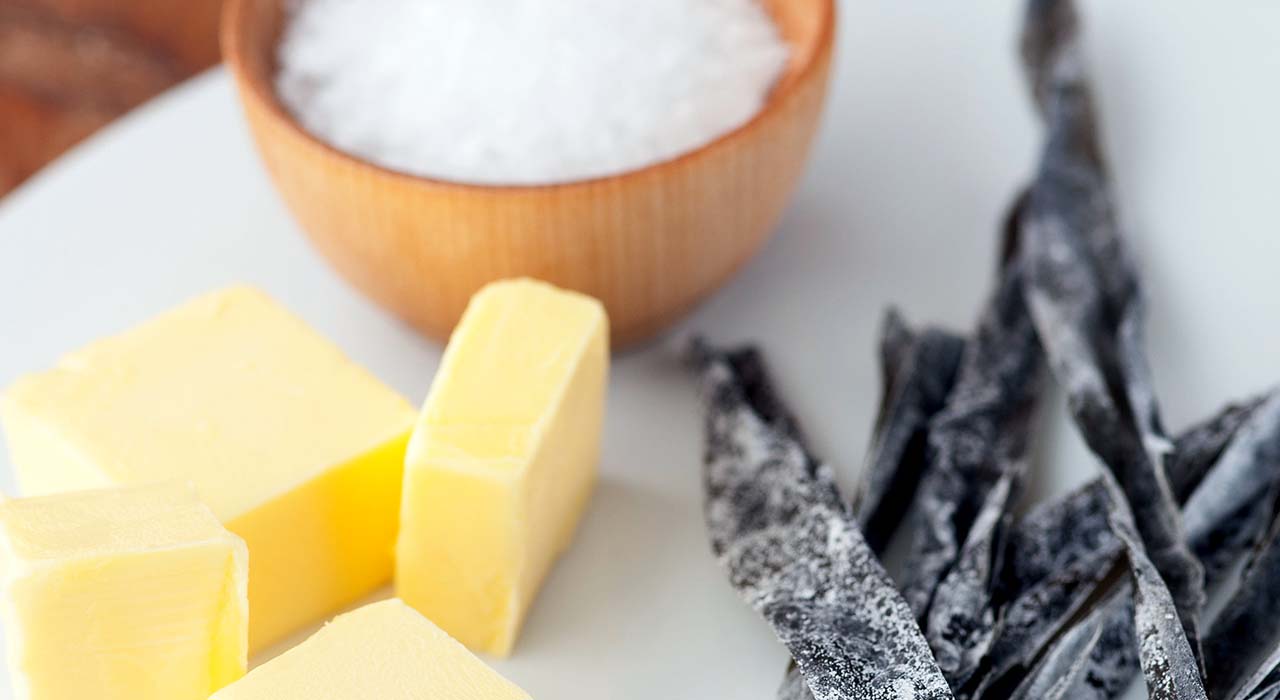
Brown seaweed is alga that grows in cool oceans around the globe. You may have seen patches of its slimy green-brown branches washed up on the beach.
Brown seaweed is a common ingredient in many Asian cuisines. People eat it raw, cooked, or pickled. If it’s raw or pickled, it has a crisp crunch. Its texture is softer if it’s cooked. Cooks serve up brown seaweed in a Korean soup called miyeok guk. You can also incorporate it into plain miso soup or seaweed salad. Its texture and flavor can make bland foods more interesting.
What are the nutritional benefits of brown seaweed?
Eating a wide variety of nutrient-dense foods, such as brown seaweed, can help you get the vitamins and minerals that your body needs. The fiber in brown seaweed can also promote digestive health while warding off constipation.
What medical claims are made about brown seaweed?
Some people have claimed brown seaweed is a cure for many conditions. One of the claims is that it can detoxify your body of radiation. Some people also suggest it can cause cancerous tumors to self-destruct. No scientific evidence supports either of these claims.
Cancer
Brown seaweed contains an element called fucoidan, which researchers have isolated and tested for its effect on cancer. According to research published in Marine Drugs, fucoidan has shown promise in eradicating or slowing the spread of colorectal and breast cancers.
Weight loss
Brown seaweed also contains fucoxanthin, which is a pigment that’s responsible for its color. A study reported in the journal Diabetes, Obesity and Metabolism suggests that a combination of fucoxanthin and pomegranate seed oil may help promote weight loss and reduce liver fat in obese women. It’s important to note that the research participants took supplements containing higher doses of fucoxanthin than you’d get from eating the seaweed straight.
Can you have too much brown seaweed?
The biggest danger of eating too much brown seaweed is consuming too much iodine. While iodine is essential for healthy thyroid function, consuming too much of it can cause hyperthyroidism.
Like anything that lives in the sea, brown seaweed can also absorb and contain environmental pollutants, such as arsenic and cadmium. These elements can damage your liver and pancreas.
The takeaway
You can add brown seaweed to your diet by incorporating it into soups, salads, and other dishes. You can also find brown seaweed supplements at many health food stores. Consult your doctor before adding supplements to your routine.
Hibiscus plants are known for their large, colorful flowers. These blossoms can make a decorative addition to a home or garden, but they also have medicinal uses. The flowers and leaves can be made into teas and liquid extracts that can help treat a variety of conditions.
Hibiscus flowers come in many colors. They can be red, yellow, white, or peach-colored, and can be as big as 6 inches wide. The most popular variety is Hibiscus sabdariffa. The red flowers of this variety are most commonly cultivated for medical purposes, and are available as dietary supplements.
Hibiscus tea, also called sour tea because of its tart taste, is made from a mixture of dried hibiscus flowers, leaves, and dark red calyces (the cup-shaped centers of the flowers). After the flower finishes blooming, the petals fall off and the calyces turn into pods. These hold the plant’s seeds. Calyces are often the main ingredients in herbal drinks containing hibiscus.
Today, hibiscus is popular for its potential to reduce high blood pressure. Modern studies show promise for both the tea and hibiscus plant extract to lower blood pressure and cholesterol levels. Although more research is still needed, this could be good news for the future of heart disease treatment.
Hibiscus shows potential for cancer treatment and as a weight loss aid, along with other uses. There aren’t many studies in these areas, but some research suggests that anthocyanins may hold the key to hibiscus’ anticancer properties.
Hibiscus tea and extract can be purchased at health food stores as dietary supplements. There is no recommended dose because this depends on the product you purchase and why you’re using it. The typical amount of calyx in one serving of tea is 1.5 grams, but studies have used as much as 10 grams of dried calyx, and extracts containing as much as 250 milligrams of anthocyanins.
Healthy Foods

Health Claims About Astaxanthin
Fish oil isn't the only thing from the ocean that can improve function in the human body. Astaxanthin is a carotenoid pigment that’s found in trout, microalgae, yeast, and shrimp, among other sea creatures. It is most commonly found in Pacific salmon, and is what gives the fish its pinkish color.As you're probably aware, antioxidants are good for you. Astaxanthin's antioxidant properties provide the main source of the health claims and benefits of the supplement, particularly when used to help treat cancer.
Nutrition

Know Your Teas: Black Tea
Tea is a popular drink all over the world. It’s a mixture of dried tea leaves that, when combined with hot water, create a satisfying beverage at any time of day. Black tea has been a popular beverage for more than 500 years. It’s often stronger in flavor than other teas, such as green tea.Some teas can provide a kick of caffeine, while others have more calming effects. Some have effects that promote a healthy microbiome, making them good for the gut.Tea also contains flavonoids, which have antioxidant potential. Antioxidants can help keep your cells in good health, and they can also lower the risk of coronary heart disease and even some cancers. Green tea and black tea are prepared differently, which accounts for their differences. Green tea is made when tea leaves are dried.Green tea and black tea are prepared differently.

Health Benefits of Greek Yogurt
Greek, or strained, yogurt isn’t just a fad. This dairy product, which is different from regular, sweeter yogurt, has quadrupled in production from 2008 to 2013. Greek yogurt makers add an extra step to their process so that excess water, lactose, and minerals drain out.What’s left is a creamy, rich yogurt with less sugar, more carbs, and a tart taste. The acidity also makes it easier for your body to absorb other nutrients.Plain Greek yogurt is a nutrient-packed snack that has many health benefits. Read on to discover the benefits of adding Greek yogurt to your diet.A cup of plain Greek yogurt can help you meet the recommended.
© 2017 betterhealthfood.rest. All Rights Reserved